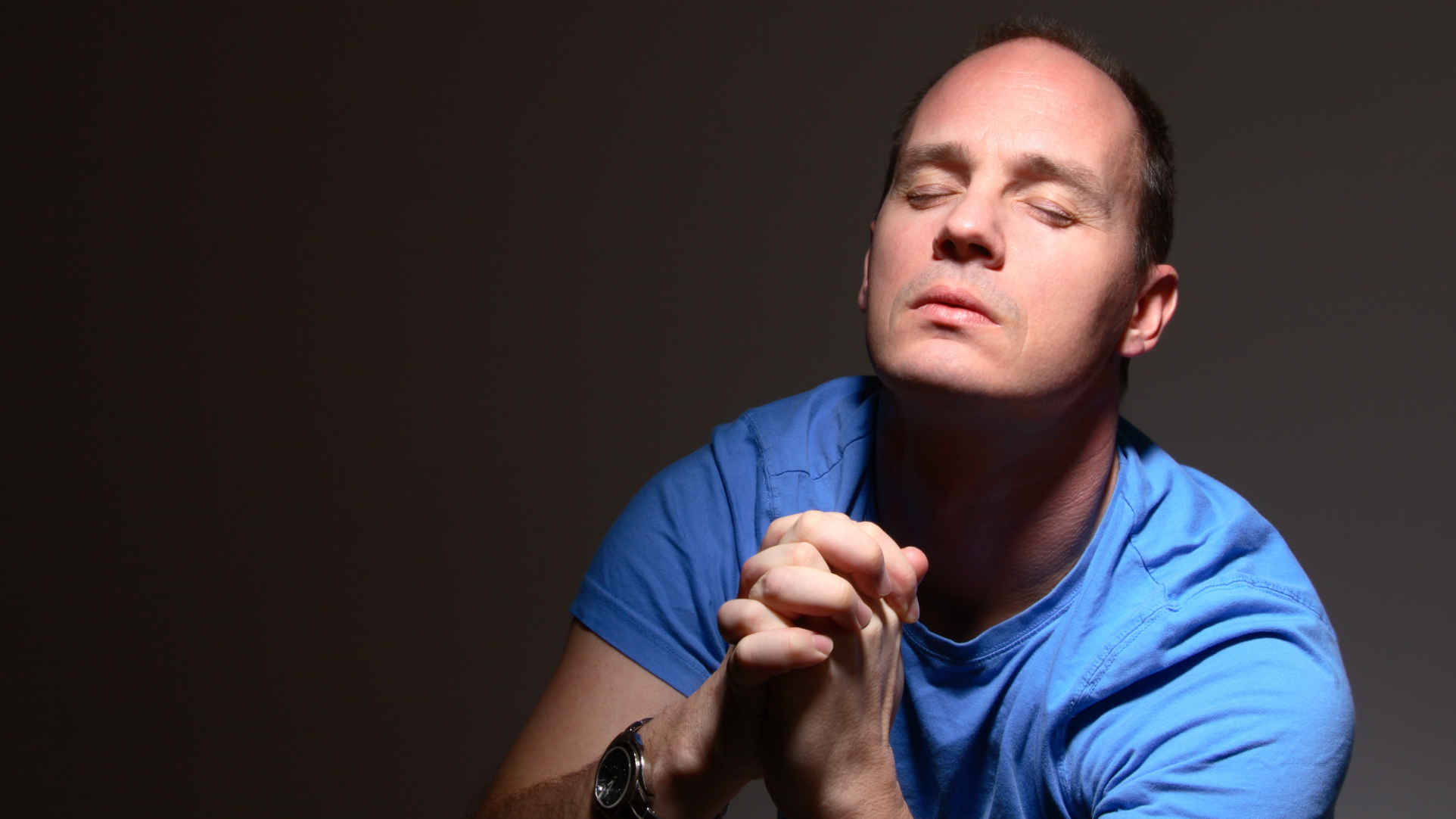

Have you ever fallen to your knees in fervent prayer, asking God to keep the stars in the sky? “Of course not! I haven’t even thought about such a thing until now,” you might say. So, if we trust God with the big things (earth rotating around the sun, seasons changing, etc.), why not trust Him with the small things (guiding our lives)?
A close friend of mine started feeling sick. He had a sore throat, felt tired, and had a stuffy nose. He prayed, "God, please heal me," and believed he was healed. However, when he checked his symptoms, he still felt the same and realized he was not actually healed. He tried again, pleading, “God, please, please, please, please, please heal me.” He then examined his body to see if the healing had taken effect. After 45 minutes of this, he finally gave up, thinking, “Well, I guess it won’t work for me this time.”
Suddenly, a realization hit him. He was judging the Word based on his feelings—what he felt in his body, the physical. He understood that this was a fallacy. The Word of God is superior and more trustworthy than feelings or the physical, what we can see and touch. “All flesh is as grass, and all the glory of man as the flower of the grass. The grass withers, and its flower falls away, but the word of the Lord endures forever” (1 Peter 1:24-25).

He realized he should trust the Word more than his feelings. He then resumed praying the Word over his body, trusting its truth instead of his emotions. Repeating to himself that he was healed, he reminded himself that the Word cannot lie, unlike Satan and feelings, which can deceive. Satan can influence feelings in your body to persuade you to believe and accept them, but you don’t have to trust them if they contradict the Word. He became convinced of his healing because the Word states so, and shortly after, he fell asleep—waking up 30 minutes later without symptoms. My friend said, “It was a window into how to exercise faith.”
This story brings to mind John 20:25-29, where Jesus appears to the disciples after His resurrection, and Thomas refuses to believe unless he sees and touches Him. Jesus said, "Blessed are those who have not seen and yet have believed" (verse 29). Initially, my friend prayed for healing and wanted to see himself healed before trusting the Word, but he only experienced healing when he walked in faith, trusting the Word to be true above his feelings.
What if Jesus chooses not to heal someone until the second coming? Only He knows what is best for each individual. Should we cease praying? Certainly not! Our prayers should persist, but ultimately, we should say, “But Thy will be done, Lord, not mine.” We must accept any result with contentment, recognizing that in every circumstance, we are called to find contentment. (Philippians 4:11-13).

“The greatest tragedy in life are the prayers that go unanswered simply because they go unasked.”1
James 4:2 remind us, “…ye have not, because ye ask not.”
We need to keep praying and trust in God's promises to heal, restore, revive, and renew us. God encourages us to keep asking, seeking, and knocking until our prayers are answered, which might be when He returns in the clouds. He knows what is best; we do not. Remember, He is God, and we are not. Persisting in prayer is different from begging without faith. Persistence shows our full trust that God will answer in His way and timing, while begging reflects a desire for Him to do things according to our schedule or methods.
The parable of the friend who visits at midnight to request bread (Luke 11:5-8) is positioned just before Luke 11:9-13, which encourages us to keep asking, seeking, and knocking. It’s not the friendship that prompted the man to get up, but his friend’s persistence in seeking what he needed.

God encourages us to be persistent in our prayers to Him because prayer has the power to bring change. Without prayer, God's ability to act is somewhat limited due to the “rules of engagement” established when our first parents chose sides with the devil. While God won’t force Himself upon anyone, He will act in His own way and at His own time if a faithful servant asks Him to intervene. Satan can no longer claim, “You can’t work in that person’s life, they’re mine,” because God responds, “Look at my servant persisting in prayer—I can and will act.”
When we pray, we should be mindful, as great things can occur for those with pure hearts. Our sins separate us from God (Isaiah 59:2), and sin can block our communication with Him. Therefore, it’s best to begin prayer with praise and confession before making requests.
I begin my prayers by praising God for who He is (e.g., God is merciful, God is powerful), then proceed to repentance and confession. After that, I ask for a fresh baptism of the Holy Spirit, and finally, I pour out my requests and heart to God. Rushing through without confessing sins first makes my prayers less effective, but once I remember to confess and request the Holy Spirit, powerful things begin to occur.
Call to Action
As we continue lifting our prayers to God, let us do so with unwavering faith in His Word that He is willing and able to do exceedingly, abundantly above all we ask or think (Ephesians 3:20). As long as we keep our eyes fixed on Jesus with a repentant heart and persist in prayer, no matter the outcome, God will hear us and reward our persistence.

All scripture taken from the New King James Version®. Copyright © 1982 by Thomas Nelson. Used by permission. All rights reserved.
- Mark Batterson, Draw the Circle: The 40 Day Prayer Challenge (Grand Rapids, MI.: Zondervan, 2012), 46.