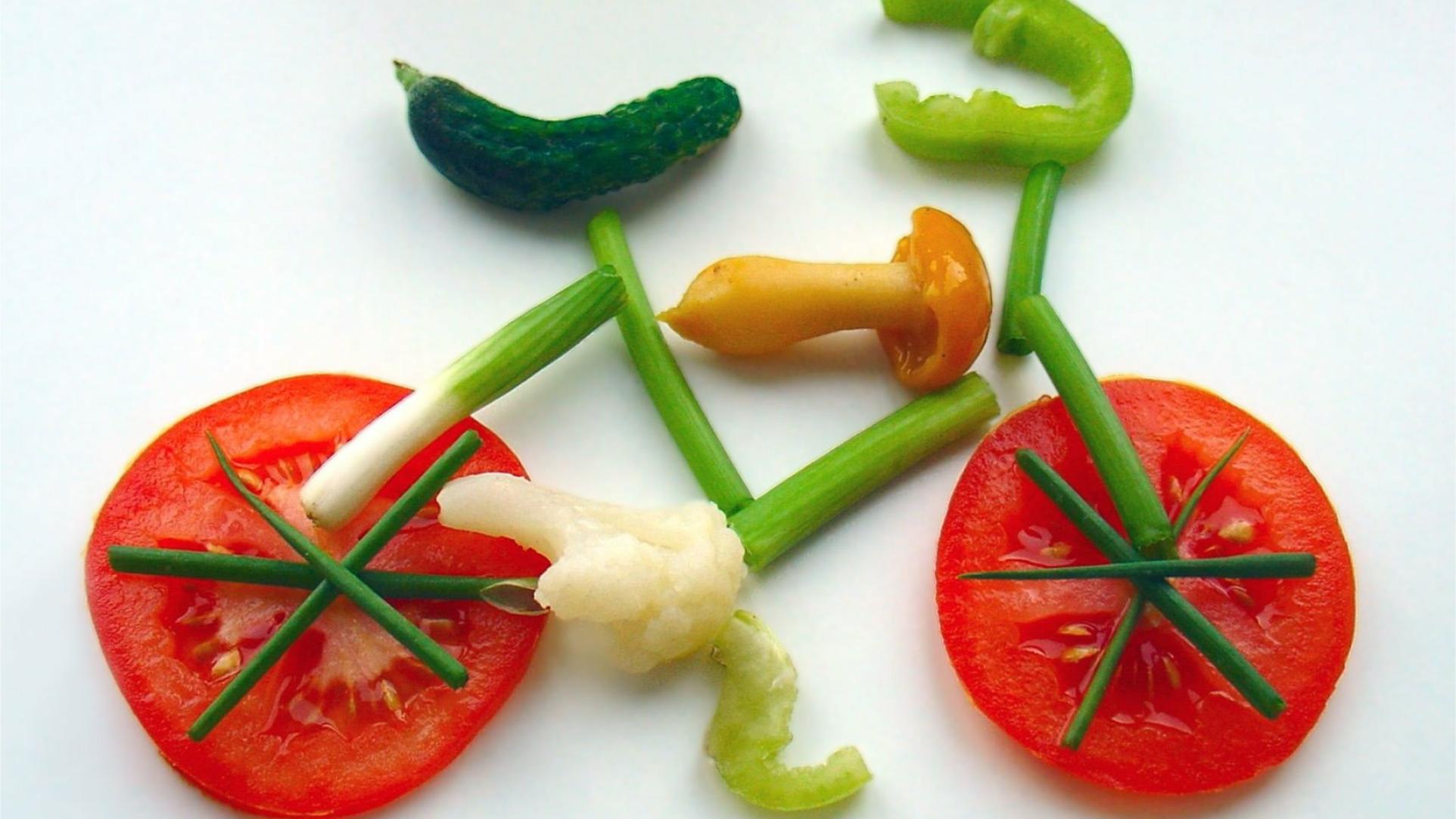

Enjoy and do something for your health at the same time. Isn’t that wonderful? So begins a brochure published by the Austrian Cancer Society, in which the health benefits of fruit and vegetables are praised. Scientists are discovering the secrets of plants more and more.
Many countries have adopted the campaign to recommend the consumption of at least 5 portions of fruits and vegetables daily. Statistics show this: around 40% of cancer cases are caused by poor diet. People who eat plenty of fruits and vegetables daily are better protected against cardiovascular disease and cancer. Much of the protective benefit comes from fiber and phytochemicals.
Fiber is No Luxury. For many years, fiber was considered superfluous. Therefore, they were removed from the food. The rice was peeled from the grain; the germ and fiber were removed and included in the animal feed. It wasn’t until the 1960s that the English doctor Dr. Burkit got the idea that fiber could have something to do with our so-called lifestyle diseases. He realized that the native Africans he treated were less likely to have colon cancer, bowel disease, constipation, and diabetes than those in his home country, England. Since then, we have found out that fiber is very essential to health. Fiber binds carcinogenic substances and pollutants and helps the body eliminate them quickly. Stool becomes softer, and bowel movements are faster.

Phytochemicals. What are phytochemicals? Nutritionists have known them for a long time, but they used to be considered anti-nutrients. Actually, the plants produce them for their own protection. Color and flavoring substances, protective substances against pests and diseases, and sun protection factors are just as much a part of this group as vegetable toxins, acids, and hormones.
These plant substances can be very helpful for us humans. They protect us from bacteria and viruses. They lower cholesterol, estrogen and blood sugar levels, get the gut going and act as antioxidants.
Health from Garlic and Onions
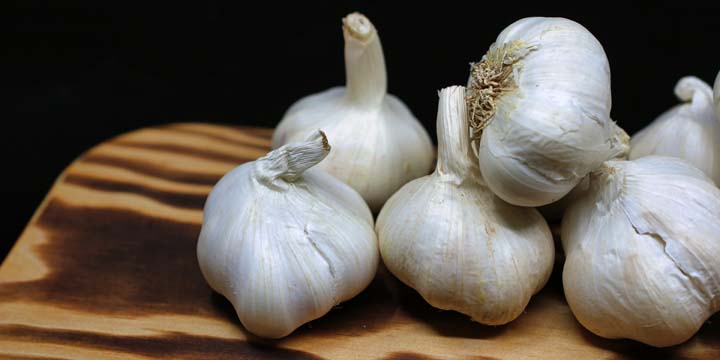
The typical smell of all onion plants comes from sulfur compounds. They are called sulfides. They stimulate digestion, increase saliva flow and bowel movements, protect against free radicals, and influence blood clotting. They strengthen the immune system and inhibit the deposits of cholesterol in the arteries. No wonder that onions and garlic can protect us against cardiovascular diseases, even though they often bring tears to our eyes.
Protective Colorings. Flavonoids bring yellow colors; anthocyanins bring blue, red, and purple. Fruits and vegetables shine in the brightest colors, and these dyes protect us in two ways. First, they prevent blood platelets from clumping (thrombosis), and second, they protect us from free radicals, which contribute to both cardiovascular disease and cancer.
Spicy Substances in Radish and Cabbage
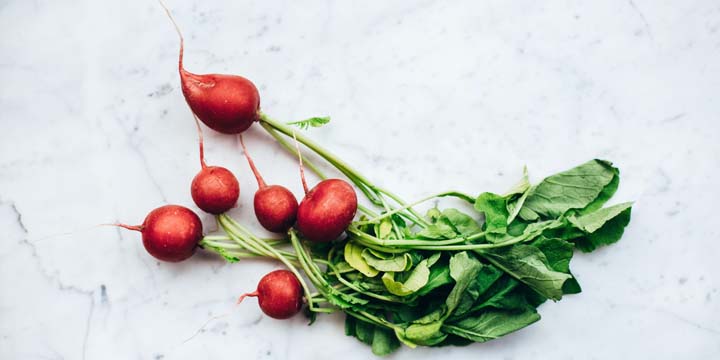
Glucosinolates are the spicy aromas in various types of cabbage, cress, and radish. They inhibit bacterial growth, help ward off infectious diseases, and protect us against cancer. These strong aromatic compounds form only when the vegetables are chopped. The mustard oils in cress and horseradish act as broad-spectrum antibiotics. They probably interfere with the microorganisms' metabolism and thus render them harmless.
Plant Hormones. Phytosterols are found in nuts, high-fat seeds, sesame seeds, and soybeans. They are similar in structure to animal cholesterol, but have exactly the opposite effect, therefore lowering cholesterol levels. In addition to that, they prevent colon cancer. Plant-based estrogens from soybeans and cereals protect against hormonal cancers. Therefore, Japanese women who are known to eat a lot of soy products suffer less from breast and uterine cancer.
Carotinoids. Yellow and red peppers, carrots, apricots, tomatoes, and green vegetables, whose bright colors are covered by chlorophyll, protect us from dangerous UV rays and thus from skin cancer. Carotenoids, of which we know about 600 different types, stimulate the immune system. Beta-carotene increases the number of natural killer cells that can attack malignant or infected cells and then kill them. Carotenoids also promote the formation of more antibodies, which target foreign substances and slow the spread of malignant cells.
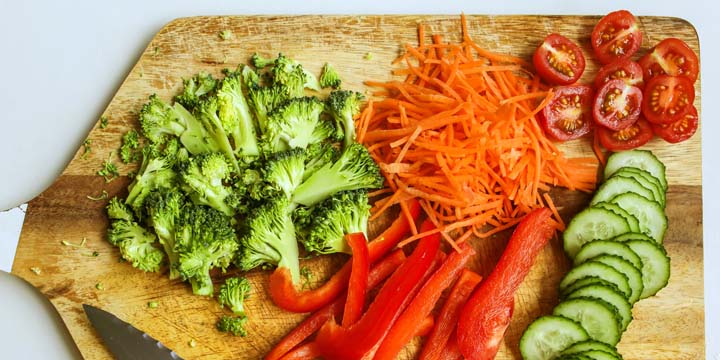
More than 10,000 Substances. Phytochemical research is just beginning. Researchers believe there are between 10,000 and 20,000 different compounds, but we know the exact protective effect for humans for only a few of them. Plants produce most of these substances during ripening. Therefore, freshly harvested, mature fruits and vegetables contain the highest concentrations. Wild plants and organic vegetables, plants that did not grow overprotected and overfertilized, usually produce more phytochemicals because they have to protect themselves better.
Pills Versus Fruits and Vegetables. The health-promoting effects of phytochemicals sound very promising. The pharmaceutical companies are already queuing up for the researchers. They would like to mix a cocktail of active ingredients and advertise it as a pill or dietary supplement. But does that make sense? The protective effect comes from the diversity of active ingredients. Targeting a few isolated substances would be a weak substitute. The best guarantee of getting all the active ingredients in the right amount is still to eat the appropriate food, as nature offers to us. Best raw, fresh, and crunchy. You can eat almost anything raw. Salads and fruits add variety to the menu. If it has to be cooked, do it gently, briefly, and with little or no fat. Season with a little salt and plenty of herbs. Eat it as soon as you can, because valuable compounds are lost when you keep cooked food warm.
Call to Action
Now with all those valuable and essential compounds we find in fruits and vegetables we wish you good health and a long life as you make use of an abundance of protective foods that your Creator has provided for you. Enjoy!
"He causes the grass to grow for the cattle, And vegetation for the service of man, That he may bring forth food from the earth...Oil to make his face shine, And bread which strengthens man’s heart.
Psalm 104:14-15

The above was originally published at Abundant Health.
All scripture taken from the New King James Version®. Copyright © 1982 by Thomas Nelson. Used by permission. All rights reserved.