
"Finally, brothers and sisters, whatever is true, whatever is noble, whatever is right, whatever is pure, whatever is lovely, whatever is admirable—if anything is excellent or praiseworthy—think about such things."
Philippians 4:8 (NIV)
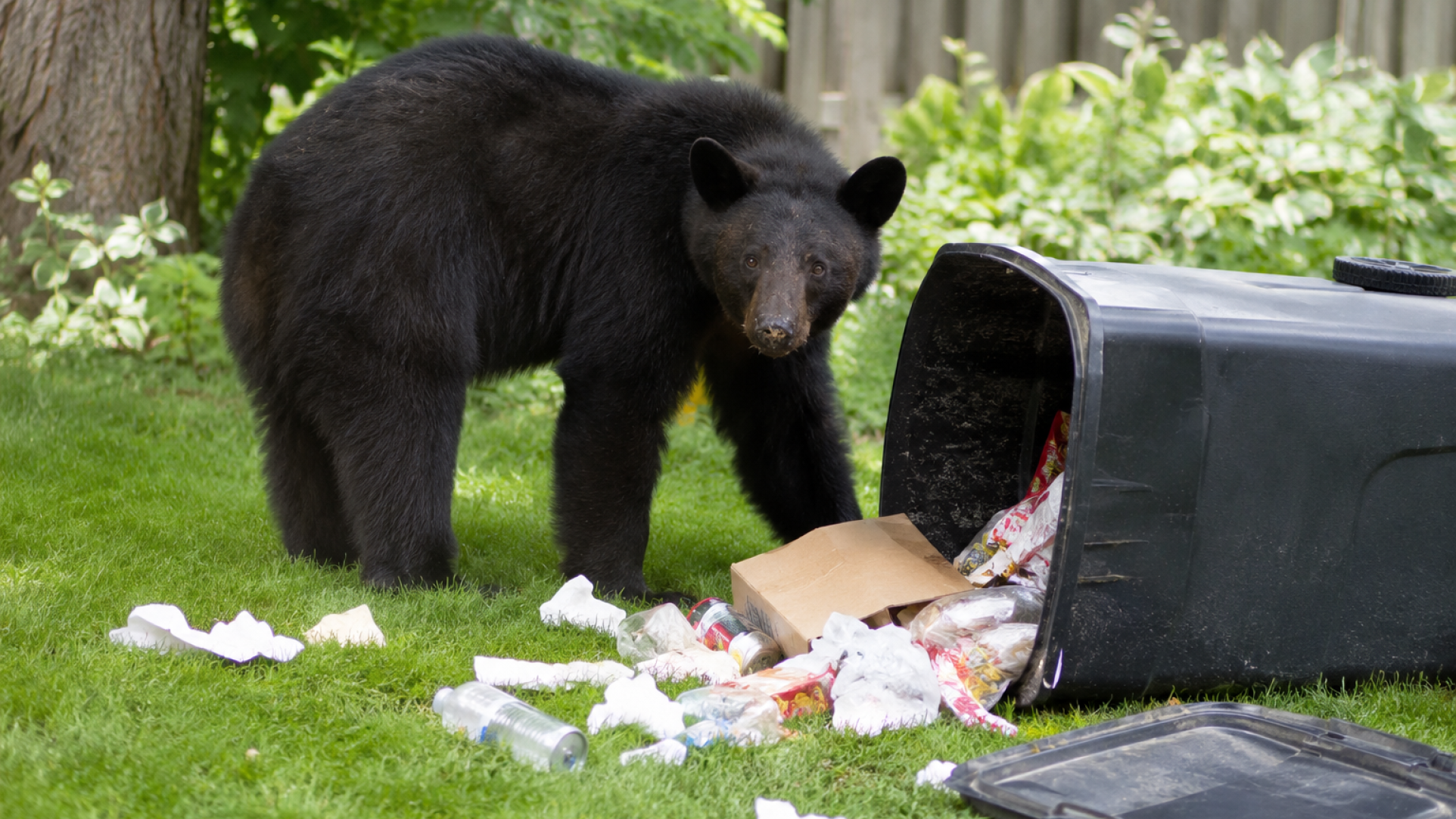
One spring night, a bear yanked our trash can out of its bearings and scattered trash all over our backyard. A couple of nights later, it happened again! Our trash bin was toppled over, and trash was scattered all over the lawn. To make matters worse, the bear pulled down bird feeders that were hanging from a strong wire between two trees. “This can’t happen again,” my husband muttered. He bought a solar-powered motion sensor that barks like a dog when an intruder is nearby. We haven't had bear incidents since then, but we may need another sensor for the front yard for deer that nibble on our Hosta plants.
Sensors & Actuators
A sensor is a device that monitors its environment and turns what it senses into electrical signals that may be measured, felt, or heard. An actuator turns these electrical signals into physical outputs. When the motion sensor detects motion from the bear, it sends the signal to the actuator which physically barks like a dog to scare the bear away.
We use several different kinds of sensors these days–sensors that detect motion, temperature, pressure, light, smoke, carbon dioxide, gas, pollution, and other things. Sensors help protect us from poisonous substances, control our heating systems to keep us comfortable, and drive away animal intruders!
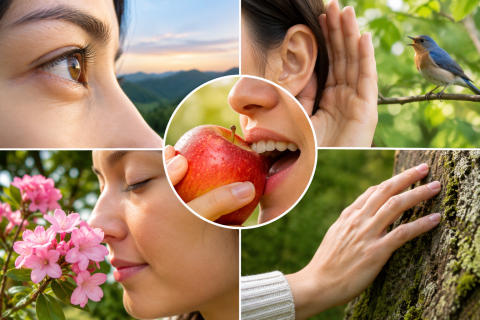
Did you know that our bodies are equipped with sensors? We have five different senses–sight, hearing, taste, smell, and touch. Our senses gather information from our environment and send it to our brains. Our brains process the information and react to the various stimuli from our environment. In most cases, the reaction is instantaneous because electrical currents carry impulses from our brains. God wonderfully created us to be sensors and actuators.
Our senses are avenues to our brain, our minds, and souls. Since the information we get from our senses determines how we react, respond, and live our lives, it's so important to select which type of information we feed our minds. I will paraphrase what the Chinese philosopher Lao Tzu once said—our thoughts become words, words become actions, actions become habits, habits become character, and character decides destiny. How we receive, interpret, and react to information from our environment eventually decides our destiny.
Call to Prayer
Dear Lord, help me to choose what I put into my senses, and only choose what is pure, holy, lovely, and admirable.